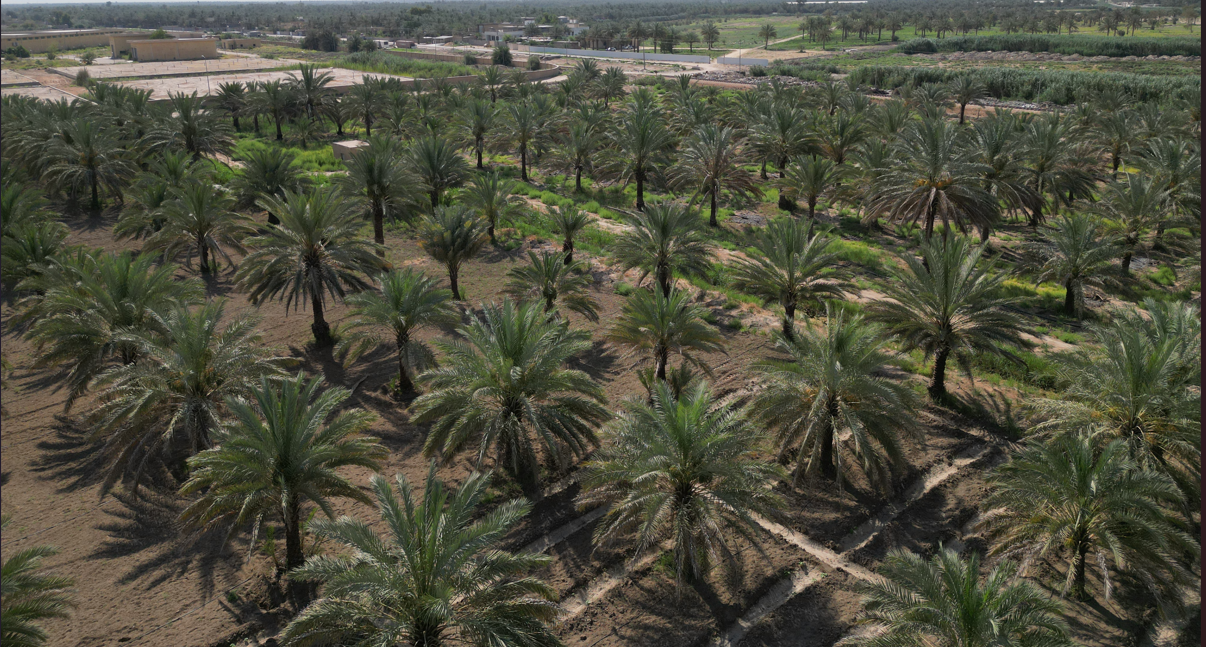
University Date Palm Farm: A Living Laboratory Advancing Science, Heritage, and Sustainable Development
In a landmark achievement that bridges agricultural heritage with modern scientific research, the University proudly presents one of Iraq's most distinguished academic agricultural facilities, a date palm farm spanning 165,000 m² dunams, home to more than 200 varieties of dates from across Iraq and the world.Captured in recent aerial photography, the farm reveals an impressive landscape of meticulously arranged palm trees, thriving research plots, and operational facilities, a testament to the University's long-standing commitment to applied science and community service. A Living Gene Bank for Iraq's Most Iconic CropThe farm serves as a living genetic repository, preserving rare and endangered date palm cultivars that represent thousands of years of Iraqi agricultural tradition. With Iraq historically holding the world's largest number of date palm varieties, the University's effort to document, conserve, and study these cultivars carries national and global significance. Faculty members, postgraduate researchers, and undergraduate students in agricultural and environmental sciences utilize the farm as an open-air laboratory for studies in genetic improvement, vegetative propagation, orchard management, soil science, and post-harvest technology. Aligned with the United Nations Sustainable Development GoalsThe University's date palm farm represents a meaningful contribution to several United Nations Sustainable Development Goals. By enhancing date production through research on high-yield and disease-resistant varieties, the farm directly supports SDG 2 (Zero Hunger) and strengthens regional food security. Its role as a hands-on learning environment for students and researchers advances SDG 4 (Quality Education), while the adoption of precision irrigation, smart monitoring, and biotechnological tools reflects the spirit of SDG 9 (Industry, Innovation and Infrastructure). The farm's commitment to sustainable orchard management and minimizing agricultural waste aligns with SDG 12 (Responsible Consumption and Production), and its ongoing study of drought-tolerant and heat-resilient palm varieties positions it as an active contributor to SDG 13 (Climate Action) in one of the world's most arid regions. The conservation of rare and endangered cultivars within a structured living gene bank directly fulfills the objectives of SDG 15 (Life on Land), and the University's growing network of partnerships with national and international agricultural bodies embodies the collaborative spirit of SDG 17 (Partnerships for the Goals). Empowering Farmers and Local CommunitiesBeyond academia, the farm serves as a knowledge transfer hub for local farming communities. Through regularly organized workshops, field training programs, and technical consultations, the University equips farmers with modern best practices in palm cultivation, pest management, and sustainable irrigation, directly contributing to rural livelihoods and regional food systems. A Vision for the FutureThe University's leadership has affirmed its commitment to developing the farm into a national reference center for date palm research, with plans to expand inter-institutional partnerships at both the regional and international levels. "This farm embodies our University's mission to connect education with production and to serve society," stated the University President, adding that the facility represents a cornerstone of the institution's broader strategy for sustainable agricultural development. As Iraq works to reclaim its historic status as the world's leading date producer, the University stands at the forefront, cultivating not only palms, but the next generation of agricultural scientists, innovators, and leaders committed to a more sustainable world.

Sustain
RECENT POST
-
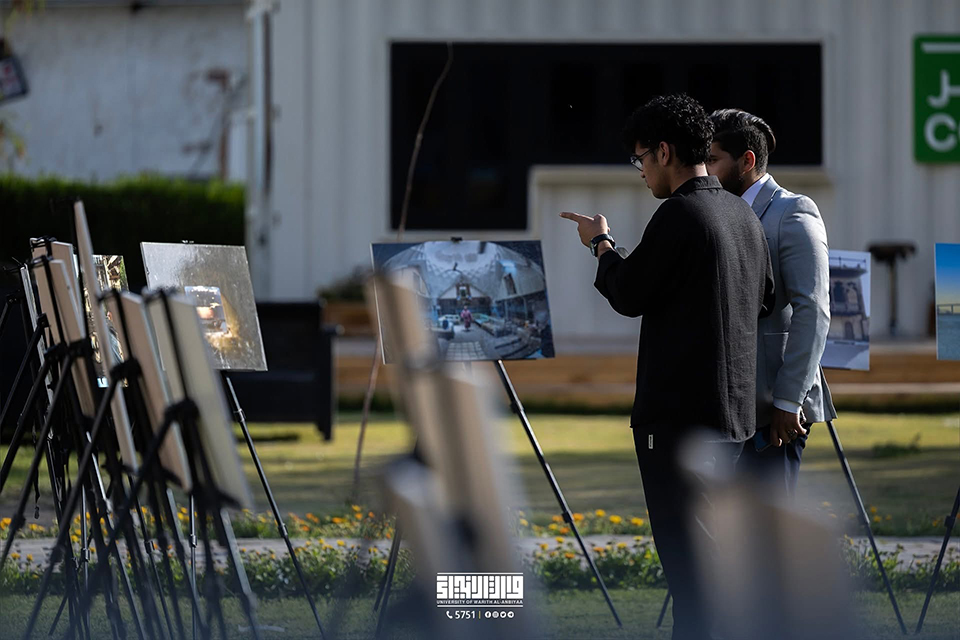
Student Union
04 October, 2026
-

NGOs Collaboration
04 October, 2026
-

Outreach & Engagement
04 October, 2026