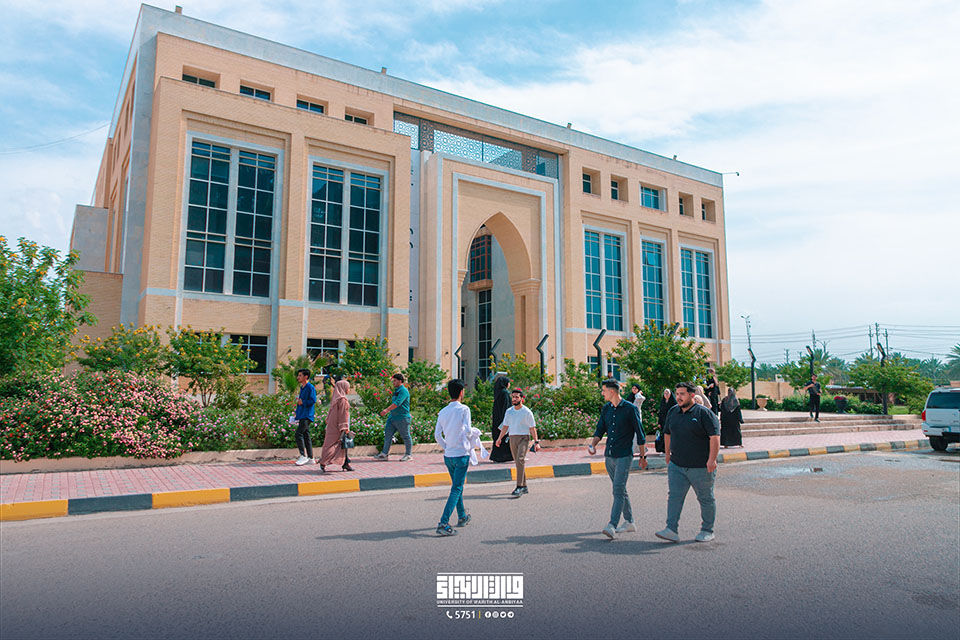
Vehicle Ratio & Shuttle Services
The University of Warith Al-Anbiyaa is committed to promoting sustainable and accessible transportation through a comprehensive transport demand management strategy that minimises environmental impacts, reduces traffic congestion, and supports low-carbon mobility across campus.
With only 117 vehicles serving a total campus population of 10,195 students and staff, the University records a vehicle-to-population ratio of 0.0114, equivalent to approximately 1.14%. This reflects a deliberate institutional commitment to reducing reliance on private vehicles and encouraging more sustainable modes of transport.
To support this objective, the University provides complimentary shuttle bus services for students residing in university accommodation. The shuttle service operates daily, transporting students from the dormitories to campus in the morning and returning them in the afternoon. Transportation support is also provided for staff members when required, ensuring equitable access to campus while reducing the need for individual vehicle use.
The University further promotes sustainable mobility by encouraging car-sharing among students and staff, helping to reduce the number of vehicles travelling to and from campus. In addition, a strict no-motorcycle policy is enforced throughout the campus to enhance pedestrian safety, reduce noise pollution, and minimise emissions associated with individual motorised transport. Controlled vehicle access further supports a safe, pedestrian-friendly campus environment.
Together, these initiatives form an integrated sustainable transportation strategy that prioritises shared mobility, efficient transport management, and reduced dependence on private vehicles. By lowering fuel consumption, greenhouse gas emissions, traffic congestion, and air pollution, the University contributes to healthier campus conditions while advancing the United Nations Sustainable Development Goals, particularly SDG 3 (Good Health and Well-being), SDG 11 (Sustainable Cities and Communities), SDG 13 (Climate Action), and SDG 15 (Life on Land). As part of its commitment to continuous improvement, the University continues to explore opportunities to expand transportation services, strengthen shared mobility initiatives, and integrate additional environmentally friendly transport solutions in the future.

Sustain
RECENT POST
-
Student Union
12 October, 2026
-
NGOs Collaboration
12 October, 2026
-

Outreach & Engagement
12 October, 2026