sustainability 2025
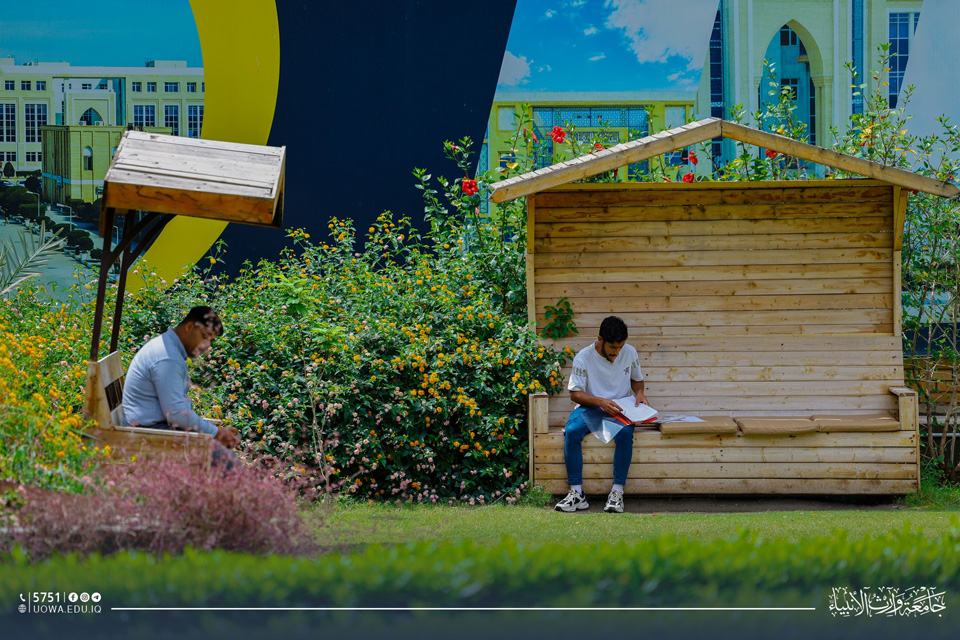
University of Warith Al-Anbiyaa In 2025, the University of Warith Al-Anbiyaa continued to strengthen its commitment to sustainability by further embedding environmental practices across its operations, infrastructure, and community activities. Building on the progress achieved in 2024, the university focused on improving efficiency, expanding green initiatives, and enhancing institutional governance. Key Achievements in 2025 Continued significant reduction in water consumption through improved conservation strategies, recycling systems, and the use of efficient water-saving technologies. Expansion of waste management programs, increasing the diversion of both organic and inorganic waste from landfills through recycling and reuse initiatives. Further upgrades in energy efficiency, including wider deployment of LED lighting, optimization of HVAC systems, improvements in IT infrastructure, and increased integration of renewable energy solutions. Strengthening of sustainable transportation initiatives, such as greater use of electric vehicles, shared mobility systems, and ICT-based transport planning to reduce reliance on private vehicles. Continued enhancement of institutional governance frameworks, including updated sustainability policies, active committees, and improved monitoring systems. Advancement in digital transformation and ICT integration to support sustainable operations and reduce resource consumption. Ongoing alignment with the United Nations Sustainable Development Goals (SDGs) through targeted projects in water, energy, waste, transport, and infrastructure. Identification of future sustainability priorities focusing on carbon reduction, smart campus development, and long-term resource efficiency. Overall Progress The 2025 report reflects steady institutional progress in environmental performance and sustainability integration. The university continues to position sustainability as a core principle in its development strategy, supporting long-term environmental responsibility and operational efficiency.

University of Warith Al-Anbiyaa
RECENT POST
-

Student Union
24 September, 2026
-
NGOs Collaboration
24 September, 2026
-

Outreach & Engagement
24 September, 2026