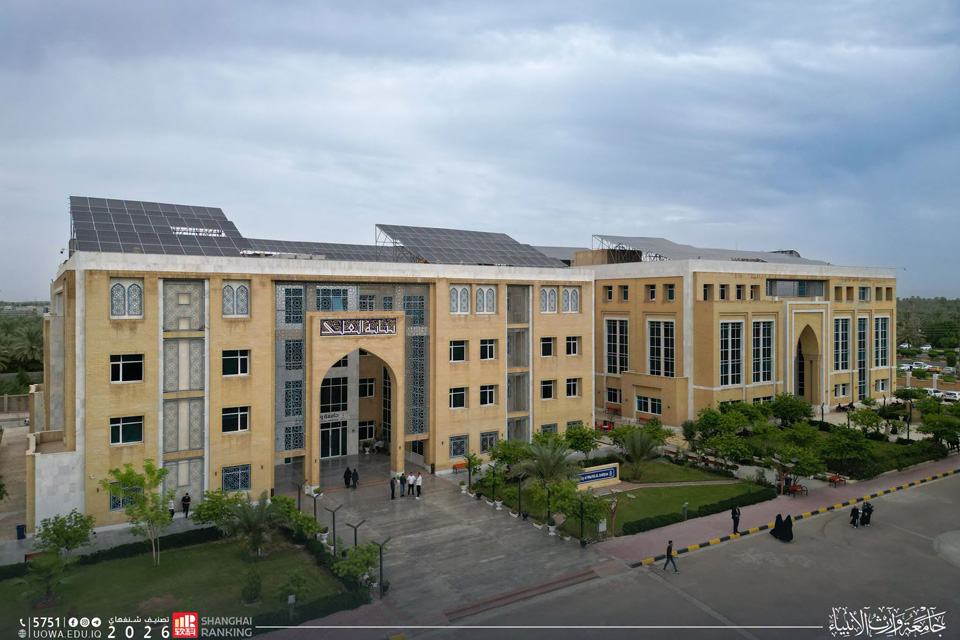
Plan to Reduce Energy Consumption
UNIVERSITY OF WARITH AL-ANBIYAA (UoWA)
ENERGY CONSUMPTION REDUCTION PLAN 2026–2030
Document Reference: UOWA-ECRP-2026-v1.0
Related Policy: Energy Efficiency and Construction Policy
Reference Year: 2025
Implementation Period: 2026–2030
Responsible Authority: University Presidency and Sustainable Development Committee
Technical Implementation: Facilities and Maintenance Department
1. Purpose
The University of Warith Al-Anbiyaa (UoWA) has established this Energy Consumption Reduction Plan to achieve measurable reductions in electricity consumption through improved building operations, efficient cooling and lighting systems, generator optimisation, energy-efficient procurement and effective utilisation of renewable electricity.
The plan establishes a documented 2025 energy baseline, measurable annual reduction targets, implementation responsibilities and a monitoring framework to evaluate actual progress through 2030.
The plan supports the University's Energy Efficiency and Construction Policy and its commitment to improving energy performance under Sustainable Development Goal 7.
2. Verified 2025 Energy Baseline
Based on the University's 2025 energy records, the electricity consumption profile is as follows:
|
Energy Indicator |
2025 Baseline |
|
Total electricity consumption |
1,188,000 kWh |
|
Electricity supplied by the national grid |
594,000 kWh |
|
Electricity generated by diesel generators |
415,800 kWh |
|
Electricity generated by solar photovoltaic systems |
178,200 kWh |
|
Diesel consumed by generators |
103,950 litres |
|
Total building area |
68,256 m² |
|
Annual electricity-use intensity |
17.40 kWh/m² |
|
National grid share of electricity consumption |
50% |
|
Diesel generator share of electricity consumption |
35% |
|
Solar electricity share of electricity consumption |
15% |
The figures supplied by the University indicate that solar photovoltaic systems contributed 178,200 kWh to the campus electricity supply in 2025.
The University will use these figures as the reference point for monitoring energy performance, subject to verification against electricity bills, generator records and solar generation data.
3. Energy Reduction Targets
UoWA proposes the following cumulative electricity-use reduction targets relative to the 2025 baseline.
|
Year |
Cumulative Reduction Target |
Maximum Annual Electricity Consumption |
|
2026 |
3% |
1,152,360 kWh |
|
2027 |
5% |
1,128,600 kWh |
|
2028 |
10% |
1,069,200 kWh |
|
2029 |
12% |
1,045,440 kWh |
|
2030 |
15% |
1,009,800 kWh |
These targets are proposed planning commitments and shall be formally approved following technical and operational review.
Progress shall be assessed against the verified 2025 baseline. The University shall report both absolute electricity consumption and electricity-use intensity, expressed in kWh/m²/year.
4. Operational Measures
4.1. Cooling and Air-Conditioning Efficiency
The Facilities and Maintenance Department shall implement a structured programme to reduce avoidable electricity consumption from cooling systems.
Actions shall include:
- Inspecting and maintaining air-conditioning systems before each summer season.
- Cleaning filters and heat exchangers and addressing faults that reduce equipment efficiency.
- Establishing suitable cooling schedules for classrooms, offices and other university facilities.
- Switching off or reducing cooling in unoccupied spaces where operationally appropriate.
- Identifying inefficient units and prioritising replacement based on operating hours, energy performance and lifecycle cost.
- Evaluating programmable thermostats and occupancy-based controls where technically suitable.
Performance measures: Number of systems maintained, percentage of identified faults resolved, and measured changes in electricity consumption at monitored facilities.
4.2. LED Lighting and Lighting Controls
The University shall progressively replace inefficient lighting with LED alternatives, prioritising buildings and areas with long operating hours.
Additional measures shall include switching off unnecessary lighting, using natural daylight where practical, and installing occupancy sensors in suitable spaces.
Performance measures: Number of lighting points replaced, number of facilities with improved lighting controls, and measured or technically estimated electricity savings.
4.3. Generator Efficiency and Diesel Reduction
The University shall improve generator performance and reduce unnecessary fuel consumption while maintaining reliable electricity for essential operations.
Actions shall include:
- Recording monthly diesel consumption and generator operating hours.
- Monitoring fuel consumption per kWh generated.
- Maintaining generators according to manufacturer recommendations.
- Investigating excessive fuel consumption and unnecessary operating hours.
- Coordinating generator operation with available national-grid electricity and solar generation.
- Assessing whether operational scheduling and improved load management can reduce generator runtime.
The 2025 reference value is 103,950 litres of diesel for 415,800 kWh of generator electricity, equivalent to approximately 0.25 litres per kWh generated.
This value shall be used as an initial monitoring benchmark, not as a universal efficiency standard. Future comparisons shall account for generator loading, equipment condition and the reliability of recorded data.
Performance measures: Annual diesel consumption, generator operating hours, fuel consumption per kWh generated and documented corrective maintenance actions.
4.4. Solar Electricity Utilisation
UoWA shall monitor and optimise the use of electricity produced by its existing solar photovoltaic infrastructure.
Actions shall include:
- Recording monthly solar electricity generation.
- Maintaining solar generation and system-maintenance records.
- Investigating interruptions and avoidable performance losses.
- Maximising the use of available solar electricity during campus operating hours where technically feasible.
- Assessing opportunities for additional photovoltaic installations based on electricity demand, available space and financial feasibility.
Solar electricity shall be recorded separately from grid electricity and generator electricity. The University shall not count the same electricity generation more than once.
Performance measures: Annual solar electricity generation, percentage of campus electricity supplied by solar energy, and documented changes in generator operation associated with solar utilisation.
4.5. Energy-Efficient Procurement
Energy efficiency shall be incorporated into procurement decisions for major electricity-consuming equipment.
Technical and financial evaluations shall consider energy ratings, expected electricity consumption, equipment suitability, maintenance requirements and lifecycle cost.
Where appropriate, energy-efficiency requirements shall be included in purchasing specifications and renovation contracts.
Performance measures: Number of major equipment purchases assessed against energy-efficiency criteria and percentage of applicable procurement procedures incorporating these requirements.
4.6. Building-Level Energy Management
The University shall progressively establish building-level electricity records for major facilities.
Monthly records shall be used to identify unusually high consumption, compare buildings with similar functions and prioritise corrective interventions.
Building administrators shall support energy-saving operating procedures, report equipment faults and ensure that non-essential lighting and equipment are switched off when appropriate.
Performance measures: Percentage of major buildings with documented energy records and number of identified energy-waste issues resolved.
5. Implementation Schedule
|
Period |
Required Action |
Responsible Unit |
Evidence of Implementation |
|
First quarter of 2026 |
Consolidate 2025 electricity, fuel and solar records and establish the central energy register |
Facilities and Maintenance Department |
Baseline report and energy register |
|
Second quarter of 2026 |
Inspect cooling systems, lighting and generators; identify priority buildings |
Facilities and Maintenance Department |
Inspection records and prioritised action list |
|
Third quarter of 2026 |
Implement operating-schedule improvements and resolve identified maintenance issues |
Facilities and Maintenance Department and building administrators |
Maintenance reports and operating schedules |
|
Fourth quarter of 2026 |
Evaluate annual consumption against the 3% reduction target |
Sustainable Development Committee |
Annual energy-performance report |
|
2027 |
Extend building-level monitoring and implement priority lighting and equipment upgrades |
Relevant technical and administrative units |
Metering records and intervention reports |
|
2028 |
Evaluate progress against the 10% cumulative reduction target and expand effective interventions |
Sustainable Development Committee |
Annual performance assessment |
|
2029 |
Review remaining high-consumption facilities and implement additional feasible measures |
Facilities and Maintenance Department |
Corrective-action records |
|
2030 |
Assess performance against the 15% cumulative reduction target |
University Presidency and Sustainable Development Committee |
Final plan evaluation |
The schedule shall be updated where implementation dates have passed or where procurement, technical assessments or financial approvals require revised deadlines. Completed actions shall be supported by dated evidence.
6. Responsibilities
University Presidency
- Approves the plan and its reduction targets.
- Reviews annual performance and supports priority investments.
Sustainable Development Committee
- Coordinates implementation.
- Reviews annual energy reports and progress against targets.
- Recommends corrective measures and future priorities.
Facilities and Maintenance Department
- Maintains electricity, generator and fuel records.
- Conducts inspections and implements technical improvements.
- Identifies high-consumption facilities and evaluates completed interventions.
Procurement and Financial Departments
- Support energy-efficient purchasing and the assessment of investment costs.
College and Department Administrations
- Implement energy-saving operating procedures and report operational issues.
7. Monitoring and Verification
The University shall prepare an annual energy-performance report containing:
- Total electricity consumption in kWh.
- Electricity supplied by the national grid.
- Electricity generated by diesel generators.
- Electricity generated by solar photovoltaic systems.
- Diesel consumption in litres.
- Annual electricity-use intensity in kWh/m².
- Progress against the approved annual reduction target.
- Completed energy-saving interventions.
- Measured or estimated savings, clearly distinguished.
- Corrective actions and priorities for the following year.
Where reliable data are available, savings shall be measured by comparing consumption before and after an intervention. Comparisons shall account for material changes in occupancy, operating hours, building area and university activities.
The University shall distinguish actual measured reductions from projected savings and shall not report proposed targets as achieved results.
8. Review and Continuous Improvement
The Sustainable Development Committee shall review the plan annually and recommend adjustments based on verified energy data, implementation results, technical feasibility and available financial resources.
Any change to the approved targets shall be documented and authorised through the University's applicable approval procedures.
9. Supporting Evidence
The University shall retain electricity bills, generator operating logs, diesel purchase records, solar generation reports, maintenance records, procurement documents and annual energy-performance reports as evidence of implementation.
These records shall support internal evaluation, institutional accountability and reporting under THE Impact Rankings SDG 7.
10. Approval
Plan prepared by: Sustainable Development Committee
Technical implementation: Facilities and Maintenance Department
Reviewed by: Relevant University Authorities
Approved by: University Presidency / Authorised University Council
Effective date: 2025
Review frequency: Annually

Sustainability at UOWA
The official sustainability website of the University of Warith Al-Anbiyaa: policies, annual reports, GHG data, campus initiatives, and progress on the UN Sustainable Development Goals.
RECENT POST
-
Student Union
15 January, 2025
-

NGOs Collaboration
29 September, 2025
-

Outreach & Engagement
01 October, 2025