
Energy Efficiency Support to Local Manufacturers
Karbala — The University of Warith Al-Anbiyaa (UOWA) is providing direct technical support to local industry aimed at improving energy efficiency and encouraging the adoption of cleaner energy sources, as part of the university's broader effort to put its engineering expertise to practical use in the community.
Through its engineering and energy specialists, the university offers a range of services to local businesses, including energy-efficiency assessments, technical feasibility studies, workshops on energy management, and evaluations of renewable-energy options such as solar power deployment. This work gives local organizations access to university-level technical expertise that many would not otherwise have in-house.
On August 16, 2025, this support reached two local manufacturers in Karbala: a cardboard recycling plant and an ice production facility. UOWA specialists conducted solar energy feasibility studies for both facilities and delivered accompanying workshops free of charge, helping the businesses assess the practicality of shifting part of their energy consumption toward solar power.
Key Recommendations
Following the technical assessments and workshops, the initiative highlighted several important recommendations for improving industrial energy performance:
- Adopt solar energy solutions: Evaluate the installation of solar photovoltaic systems to reduce reliance on conventional electricity sources and diesel generators.
- Improve energy efficiency: Assess the energy consumption of production equipment and identify opportunities to reduce unnecessary electricity use and operating costs.
- Conduct technical and economic feasibility assessments: Evaluate installation costs, expected energy generation, potential savings, and payback periods before investing in solar energy systems.
- Optimize equipment operation and maintenance: Maintain industrial machinery and electrical systems regularly to improve performance and minimize energy losses.
- Monitor energy consumption: Introduce systematic tracking of electricity and fuel consumption to identify inefficiencies and measure improvements over time.
- Promote energy management awareness: Encourage employees and technical personnel to adopt energy-saving practices and integrate energy efficiency into daily industrial operations.
- Explore gradual adoption of clean energy: Consider phased implementation of renewable energy solutions based on each facility's operational requirements, available space, and financial capacity.
These recommendations provide a practical framework for helping local manufacturers reduce energy costs, improve operational efficiency, and explore cleaner energy alternatives. Their implementation should be guided by the specific findings of each facility's feasibility study.
University officials describe the initiative as part of a wider effort to transfer technical expertise beyond the campus, supporting practical improvements in energy performance across Karbala's industrial sector and strengthening cooperation between academic institutions and local businesses.
Sustainability at UOWA
The official sustainability website of the University of Warith Al-Anbiyaa: policies, annual reports, GHG data, campus initiatives, and progress on the UN Sustainable Development Goals.
RECENT POST
-
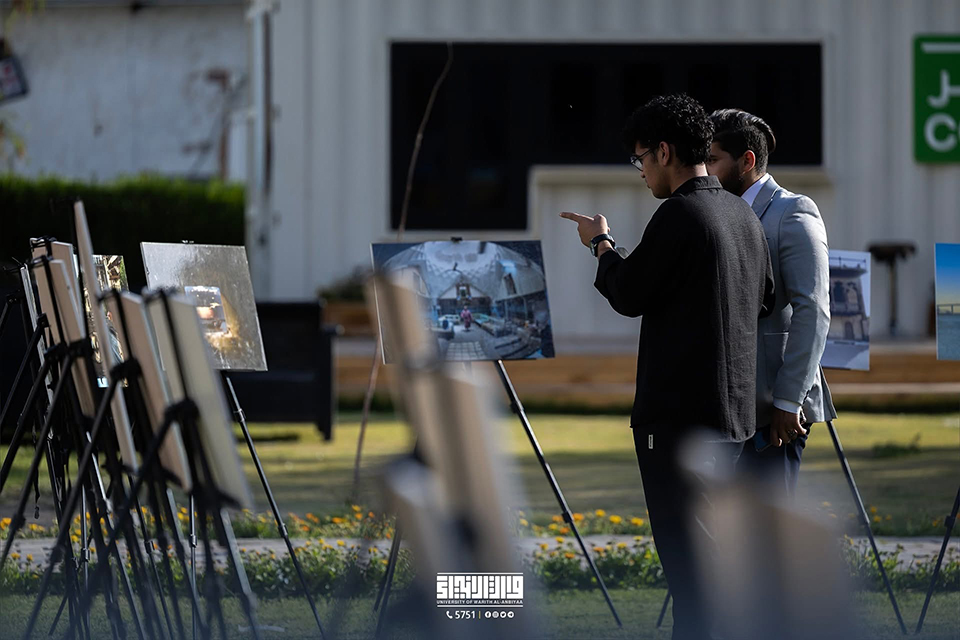
Student Union
15 January, 2025
-
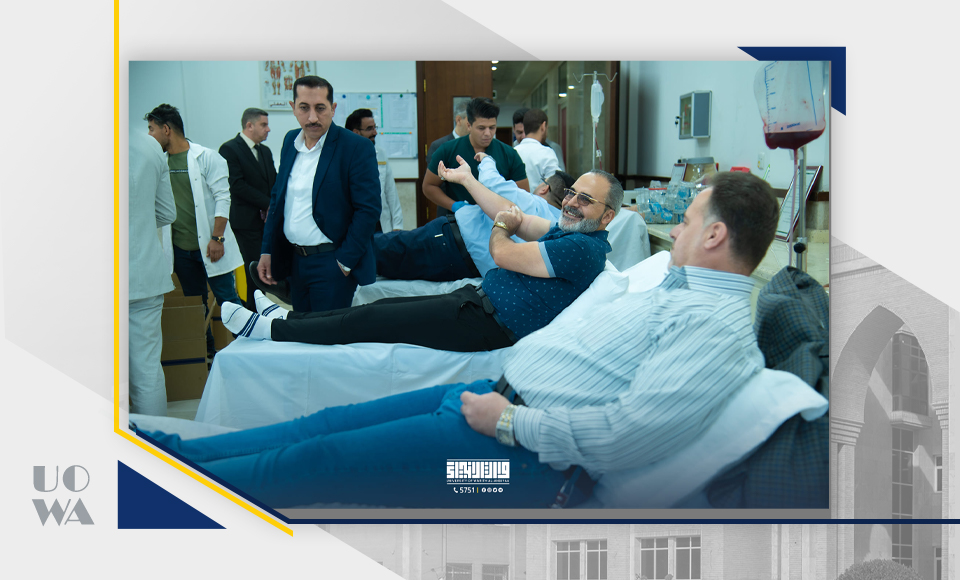
NGOs Collaboration
29 September, 2025
-

Outreach & Engagement
01 October, 2025