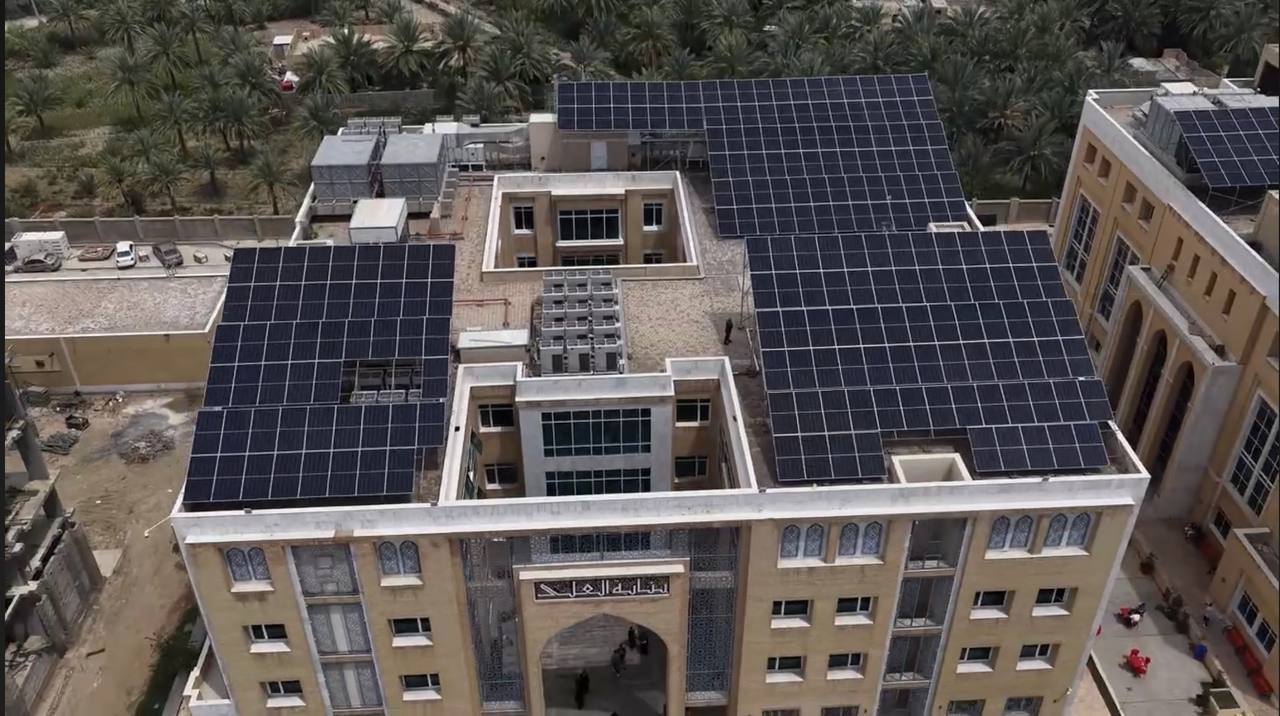
University of Warith Al-Anbiyaa Achieves a Major Milestone in Sustainable Energy Transformation
Driving Sustainability Through Renewable Energy
As part of its strategic commitment to environmental sustainability and responsible resource management, the University of Warith Al-Anbiyaa has successfully commissioned a 249 kW photovoltaic (PV) solar energy system across its campus. This landmark initiative reflects the university’s vision of creating a sustainable, low-carbon academic environment while supporting national and global efforts to combat climate change.
The project represents a significant step toward reducing dependence on conventional energy sources and demonstrates the university’s leadership in adopting innovative renewable energy solutions within the higher education sector.
Significant Clean Energy Generation
During its first five months of operation (May–September 2025), the solar PV system generated an impressive 134,460 kWh of renewable electricity, providing a reliable source of clean energy for campus operations.
This achievement has enabled the university to reduce energy consumption from traditional sources while improving overall energy efficiency and operational sustainability.
Major Reduction in Fuel Consumption and Emissions
The implementation of the solar energy system has delivered measurable environmental and economic benefits.
Key outcomes achieved during the initial operational period include:
- 33,480 litres of diesel fuel saved
- 756 generator operating hours eliminated
- Two diesel generators partially offset
- Significant reduction in reliance on fossil-fuel-based electricity generation
Based on current performance data, the system is projected to save more than 80,000 litres of diesel annually, resulting in an estimated reduction of approximately 215 tonnes of CO₂ emissions every year.
These results highlight the project's contribution to climate action and the university’s efforts to minimize its carbon footprint.
| Indicator | Result |
| ⚡ Installed Solar Capacity | 249 kW |
| 🔋 Clean Energy Generated (5 months) | 134,460 kWh |
| 🔋 Clean Energy Generated (per month) | 996 kWh / month |
| ⛽ Diesel Fuel Saved (5 months) | 33,480 Liters |
| ⛽ Diesel Fuel Saved (annual projection) | 80,352 Litres / year |
| 🌍 CO₂ Emissions Reduced (annual est.) | ~215 Tonnes CO₂/year |
| 🔇 Generator Hours Eliminated | 756 Hours |
| 🏭 Generators Offset | 2 Units |
| 🔌 National Grid Usage Reduced | 188 – 244 kWh / month |
Supporting Education, Research, and Innovation
Beyond its environmental impact, the solar energy system serves as a valuable educational and research platform for students and faculty members.
The project provides practical learning opportunities in:
- Renewable Energy Technologies
- Sustainable Engineering
- Environmental Management
- Energy Efficiency and Conservation
- Climate Change Mitigation
By integrating sustainability into campus infrastructure, the university strengthens experiential learning and promotes innovation among future engineers and sustainability professionals.
Contributing to the United Nations Sustainable Development Goals
This initiative directly supports several United Nations Sustainable Development Goals (SDGs), including:
SDG 7 – Affordable and Clean Energy
Expanding access to renewable and sustainable energy resources.
SDG 9 – Industry, Innovation and Infrastructure
Promoting innovative infrastructure and technological advancement.
SDG 12 – Responsible Consumption and Production
Enhancing resource efficiency and reducing environmental impact.
SDG 13 – Climate Action
Reducing greenhouse gas emissions and supporting climate resilience.
A Vision for a Greener Future
The successful deployment of the solar PV system marks an important milestone in the University of Warith Al-Anbiyaa’s sustainability journey. As the university continues to expand its renewable energy infrastructure and environmental initiatives, it remains committed to building a greener, more resilient, and environmentally responsible campus.
Through innovation, responsible energy management, and long-term sustainability planning, the university is positioning itself as a regional model for sustainable higher education and climate-conscious development.

Sustainability at UOWA
The University of Warith Al-Anbiyaa Sustainability Website is the University’s official platform for documenting and publishing its sustainability work. It brings together evidence, policies,
RECENT POST
-
Student Union
24 October, 2026
-

NGOs Collaboration
24 October, 2026
-

Outreach & Engagement
24 October, 2026