The University of Warith Al-Anbyiaa Sets New Benchmark in Water Conservation Through Smart Infrastructure
The University of Warith Al-Anbiyaa has achieved a reduction of more than 65 % in campus-wide water consumption through the implementation of an integrated water conservation strategy, reinforcing its commitment to environmental sustainability and responsible resource management.
The achievement represents a major milestone in the university's ongoing sustainability programme and contributes directly to the advancement of the United Nations Sustainable Development Goals (SDGs), particularly Goal 9: Industry, Innovation and Infrastructure. The reduction in water use is the result of several years of investment in smart technologies, sustainable infrastructure, and innovative water management practices across the university campus.
Smart Irrigation and Water Recycling
Central to the initiative is a state-of-the-art smart irrigation system that continuously monitors soil moisture levels and delivers water only when required. By responding to real-time environmental conditions, the system significantly reduces unnecessary water consumption while maintaining the health of the university's green spaces. Complementing this approach is a wastewater recycling system that treats and repurposes water for landscape irrigation. The recycled water is used to maintain gardens and landscaped areas throughout the campus, substantially reducing dependence on freshwater resources for non-potable applications.
Rainwater Harvesting and Groundwater Conservation
As part of its comprehensive water management strategy, the University has installed rainwater harvesting systems across campus rooftops, parking facilities, and other collection surfaces. Captured rainwater is directed into ponds and canal networks that support groundwater recharge while also supplying water for irrigation and decorative fountains.
To maximise the use of harvested water, each campus building is equipped with dedicated storage tanks, enabling rainwater to be retained and utilised when required.
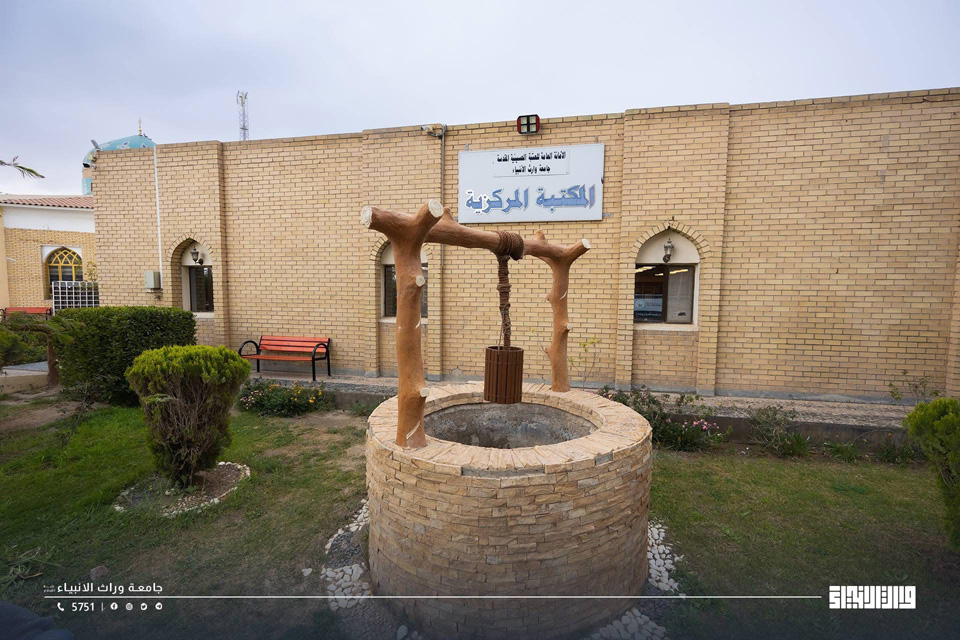
In addition, a dedicated groundwater well supplies water primarily for the irrigation of green and landscaped areas, helping to reduce pressure on municipal water resources.
The university has further strengthened its stormwater management practices through the installation of biopore infiltration systems across campus green spaces. These systems enhance rainwater absorption, minimise surface runoff, and contribute to the natural replenishment of groundwater reserves.
Water Efficiency Across Campus Facilities
Water conservation measures have also been integrated directly into campus buildings and facilities. Sensor-operated taps and water-efficient, flush-free toilet systems have been installed throughout the university, including in all newly constructed academic, administrative, and service buildings. These technologies ensure that water is used only when necessary, further reducing overall consumption.
To promote sustainable consumption habits and reduce plastic waste, the university has also introduced free drinking water stations across campus. Especially, at student entry points, exam halls, and administrative offices providing convenient access to potable water for students, staff, and visitors.
Supporting a Sustainable Future
The University's Sustainability Office continues to monitor, evaluate, and expand these initiatives as part of the University's long-term environmental strategy. Through continued investment in innovative infrastructure and sustainable resource management, the university is positioning itself as a regional leader in environmental stewardship and sustainable campus development.
These efforts are particularly significant in a region facing increasing water scarcity and environmental challenges, demonstrating how higher education institutions can play a vital role in advancing sustainable solutions for future generations.

Sustain
RECENT POST
-
Student Union
02 October, 2026
-

NGOs Collaboration
02 October, 2026
-

Outreach & Engagement
02 October, 2026